Mornings are when a home reveals its truest nature. Not during quiet evenings or carefully styled photos, but in those compressed, all-too-human hours when alarms sound, coffee is brewed while half awake, school bags are packed, and multiple routines unfold at once often within the compact footprint of an HDB flat or condominium. It is during these moments that the real design of a home is laid bare.
Some spaces, however modest in size, steady those within them, offering a subtle anchor amid the rush to bathrooms, kitchens, and lift lobbies. Others, often unknowingly, add pressure through cluttered countertops, tight walkways, harsh lighting, or too many decisions too early in the day.
The difference isn’t about size, budget, or aesthetic preference. It comes down to whether the home has been intentionally designed to support everyday Singapore living to absorb the friction of busy mornings and carry part of the load when time feels most scarce.
Calm, in this context, is not merely a fleeting emotion. It is the tangible outcome of thoughtful planning decisions made long before the rush begins, quietly working in the background when you need them most. If you’re looking for practical ways to start shaping such an environment, explore our guide to affordable interior design ideas for Singapore’s HDB living, where small, strategic choices can make a meaningful difference.
 Interior Design Firm: Interior Homes Design Studio
Calm Begins with Predictable Movement
In homes that feel serene even amid peak morning chaos movement is nearly subconscious. You hardly ever have to pause and think about where to walk, how to navigate around a family member, or which path will get you to your next task without detouring. This unhurried efficiency flows from layouts that are genuinely attuned to daily rituals. Designers who study how people move from bedrooms to bathrooms, towards the kitchen and on to the entry, strive to make these corridors clear, direct and unbroken. The focus is never on luxury for its own sake, but on a hundred small spatial choices of furniture that doesn’t block paths, doors that don’t clash, and walkways built wide enough for more than one person to move comfortably at a time.
In Singapore, where space is seldom generous, the stakes are even higher. Poor circulation whether from a too-narrow kitchen aisle or a wardrobe door that swings awkwardly into a pathway can quickly transform minor inconveniences into daily frustrations. Calm homes resolve these tensions quietly, allowing the body to learn routes and routines by heart.
Design approaches that prioritise clarity and open flow naturally support this ease of movement. Minimalist interior design in Singapore, for instance, often centres on unobstructed pathways, restrained furnishing, and visual lightness qualities that make even compact homes feel more breathable and composed.
Tip: Trace your most common morning route. If you find yourself pausing, making awkward detours, or squeezing past furniture every day, consider that your circulation, not your routines, might need a thoughtful adjustment.
 Interior Design Firm: Aart Boxx Interior
Storage That Prevents Visual Noise
Clutter doesn’t merely invade physical space; it can hijack your peace of mind. Homes that genuinely feel calm are rarely empty, but they do feel resolved, free from the low-level anxiety caused by objects without homes. This sense of order comes from storage built for real lives, with everyday necessities shoes, bags, keys, small appliances tucked in places that are both easy to reach and just as easy to put away. Storage, when properly integrated, pre-empts mess and maintains visual clarity without constant tidying.
Well-planned Singaporean homes often include full-height concealed cabinets, discreetly integrated kitchen compartments, and strategic entryway solutions. Each is designed to intercept clutter before it has a chance to spread inward. Clear surfaces create a quieter, almost meditative backdrop for the flurry of morning activity, allowing the home to remain poised even when life is hurried. For more expert organisation strategies, learn more on clutter free living and home organisation.
Tip: Consistently finding everyday items piling up on chairs or counters? That’s nearly always a storage placement issue, not a discipline problem.
Light That Gently Guides the Day
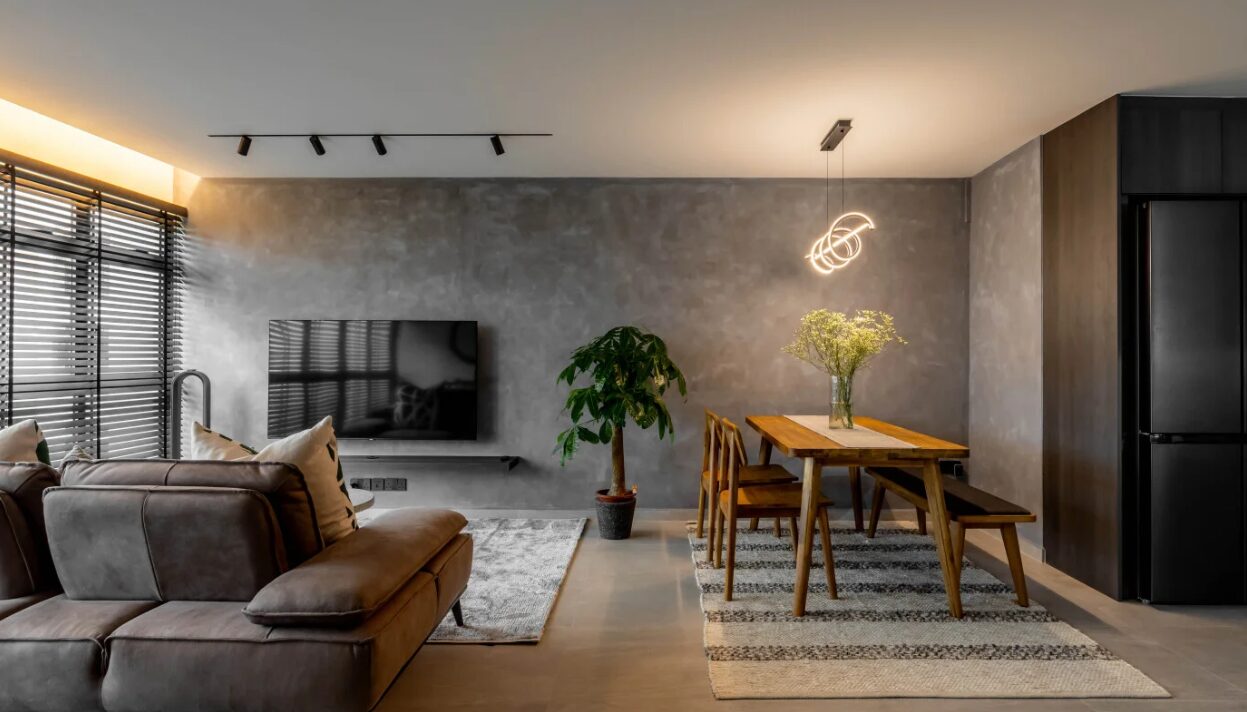
Light shapes the emotional rhythm of a morning more than most realise. Homes that exude calmness rarely rely on a singular, harsh ceiling fitting. Instead, they approach lighting in layers: ambient columns for general comfort, focused task lighting for precision, and a gradual welcome of natural daylight as the sun rises. This orchestrated approach offers a far gentler transition from sleep to activity, allowing the household to “wake up” alongside its environment rather than in jarring fits and starts.
Singapore’s mornings can bring on piercing sunlight so managing glare is just as critical as offering brightness. Sheer curtains, warm bulbs, carefully angled fixtures and thoughtful furniture layouts help maintain the right level of comfort and prevent overstimulation. Even artificial greenery, such as arrangements from Ferns & Philo, can help diffuse harsh light and soften the lines of a space. Subtle, nature inspired elements can anchor a window seat or frame a reading area, offering calm with none of the maintenance demands of real plants. For hands-on advice, see our feature on achieving luxe lighting on a budget for your home perfect for both functional and atmospheric goals.
Tip: Aim for lighting that supports activities without flooding every corner with intensity. A gentle contrast throughout the space will prevent overstimulation and make mornings feel composed.
 Interior Design Firm: Blank Interior
Materials That Soften Rather Than Amplify Stress
Material choices can quietly shape how a home copes with the pressures of daily life. High-gloss or reflective finishes, for example, tend to highlight every fingerprint, watermark, or fleeting imperfection increasing morning tension for anyone living at full speed. Calm homes intentionally lean towards matte or textured surfaces, with forgiving neutral tones that offer visual stability throughout the day. The choice of wall finishes also matters. Instead of crisp, cold paint in stark hues, soft-textured wallpapers introduce gentle depth, reducing harshness and reflecting less visual noise into the environment.
Such calming materials including wallpaper collections available from Wallaffairs don’t demand perfection. Instead, they absorb morning mess and stress with quiet resilience, allowing a lived-in home to remain composed even when life feels most hectic. If you’re wondering whether such upgrades are worth the investment, insights into making your home renovation a good investment can help guide this decision thoughtfully.
Tip: Opt for surfaces and finishes that retain their beauty when in use, not just straight after cleaning. The less maintenance a material demands, the better it supports genuine calm.
Zones That Respect Different Morning Speeds
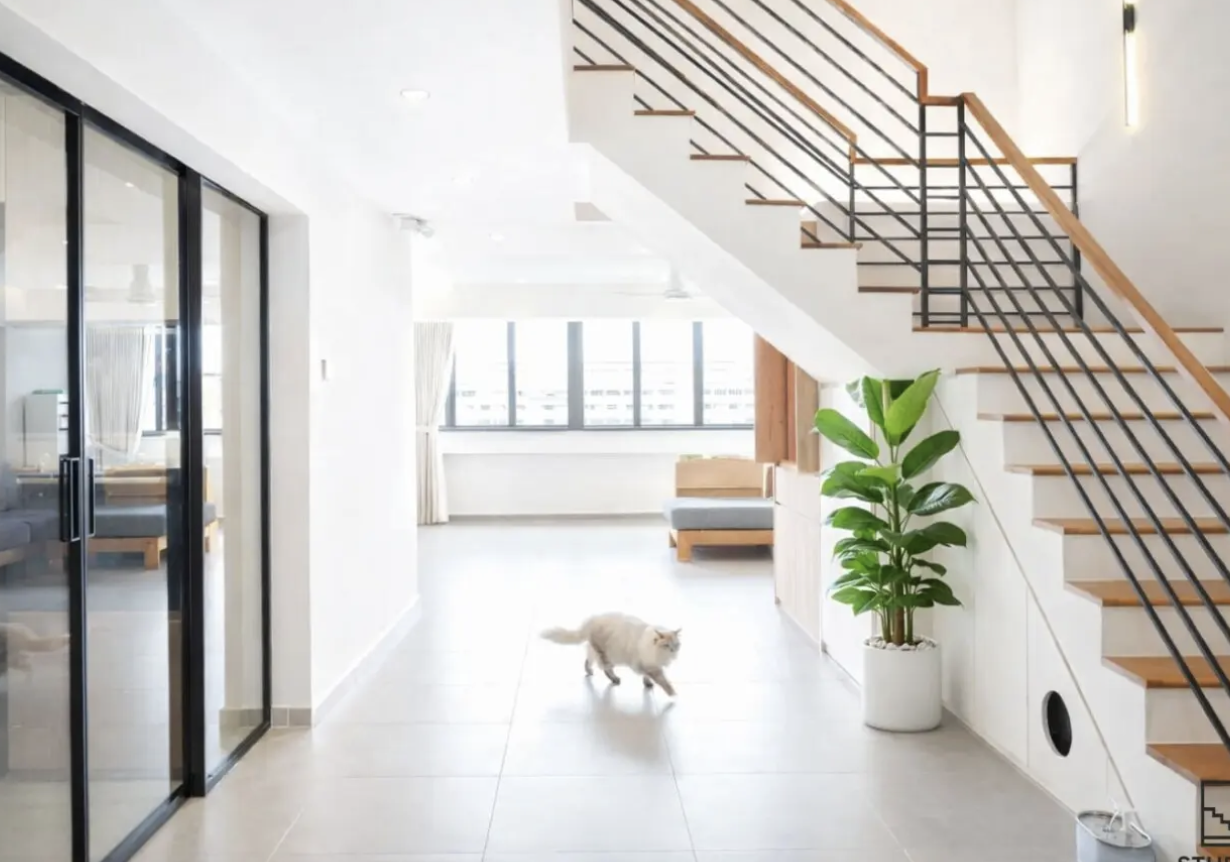
Not every member of a household awakens or moves at the same pace. Homes that foster calm make space for these differences, creating zones that gently accommodate multiple routines in parallel. The magic here doesn’t come from adding more walls, but from smarter divisions of space. In Singapore’s compact apartments, you can achieve zoning with subtle shifts in lighting, careful furniture arrangement, or a change of materials or texture underfoot. Greenery, especially tall, architectural plants can separate a meditative window seat from the main flow to the kitchen. This allows one person to enjoy a book in morning light, while another prepares a meal or heads to the shower.
Tip: If mornings feel crowded or competitive, even a tiny quiet nook or secondary surface can make an outsized difference. Try shifting the furniture or adding a divider for a more peaceful start.
 Interior Design Firm: Studio 15 Interior
Calm Is Designed, Not Decorated
A calm home is not calm because its inhabitants face fewer demands, but because its design carries a share of the load especially during the most pressured moments. When movement is frictionless, storage is intuitive, lighting is soft, finishes are forgiving, and spaces allow for different rhythms, the home ceases to be another source of stress and instead becomes a reassuring presence. The focus is not on creating stage-set showpieces, but on shaping spaces that hold steady even in the busiest hours. For those looking to deepen this philosophy and explore how understated refinement can elevate daily life, consider how quiet luxury influences modern interiors and the way they feel.
Because the best-designed homes don’t ask for perfection. They make space for real mornings messy, hopeful, and entirely human.
 Interior Design Firm: Ascent Collective
Homes that remain calm and effortless to live in don’t happen by chance. They are shaped by thoughtful decisions from the very beginning where circulation follows real routines, storage anticipates daily habits, lighting eases the start of the day, and materials are chosen to age gracefully with use.
Each choice works quietly in the background, reducing friction over time. When you're ready to refresh your space, connect with us and we'll match you with designers who can turn these practical ideas into a home that truly feels yours.
FAQ
1. How can I make my home feel calmer during hectic mornings?
Focus on clear walkways, simple and predictable routes between bedrooms, bathrooms, and the exit. Integrate sufficient storage to keep essentials accessible yet out of sight, and use layered lighting to create a gentle start to the day. Designing subtle zones can also help each household member move at their own pace.
2. What storage solutions work best for keeping mornings stress-free?
The most effective storage is built around your daily habits: dedicated cubbies for shoes, hooks for keys, easy-access cabinets, and organised drawer space. Keeping clutter off surfaces by anticipating where everyday items land is key to a visually calm morning.
3. Why is lighting so important in setting a calm morning atmosphere?
Lighting affects mood and energy levels. Layered, soft, and warm lighting, combined with the careful use of daylight, allows your home to “wake up” with you and prevents overstimulation in the morning rush.
4. What type of finishes should I choose to minimise morning stress?
Opt for matte, textured, or gently patterned surfaces, which hide fingerprints and spots better than glossy or stark finishes. Soft-coloured wallpapers or neutral paints create a gentle visual background that's forgiving even when life gets busy.
5. How do I create zones in a small flat for different routines?
You can define zones without building walls try rearranging furniture, placing a tall plant, changing the lighting, or choosing different materials to gently separate areas for various activities. Even a small reading corner or defined entryway can help distribute activity and prevent congestion during busy times.